
Addressing Combined Sewer Overflow and Advocating for Equitable Flooding Mitigation Policies
Camden for Clean Air has been working diligently with partners across the region, such as the Center for Environmental Transformation and NJ Future, for the last several years to address the ongoing issues with the City’s historical combined sewerage overflow (CSO) infrastructure.
With Climate Change in full swing and 100 year floods becoming more and more common, Camden residents need to be educated and prepared on what CSO systems are, how they operate, and the impacts they have on our health and environment long after the flood waters have dried.
In tandem, CFCA and partners are working to ensure that flooding mitigation policies are developed equitably and will properly protect residents in environmental justice communities who are bearing the brunt of climate change impacts.
Camden for Clean Air is proud to also play a supporting role in the Center for Environmental Transformation’s (CFET) 2025 Camden Coastal Resilience Plan (CCRP). Read more, here.
August 2026 Sewer Free Streets Community Workshop Series
-
Identify the Issues
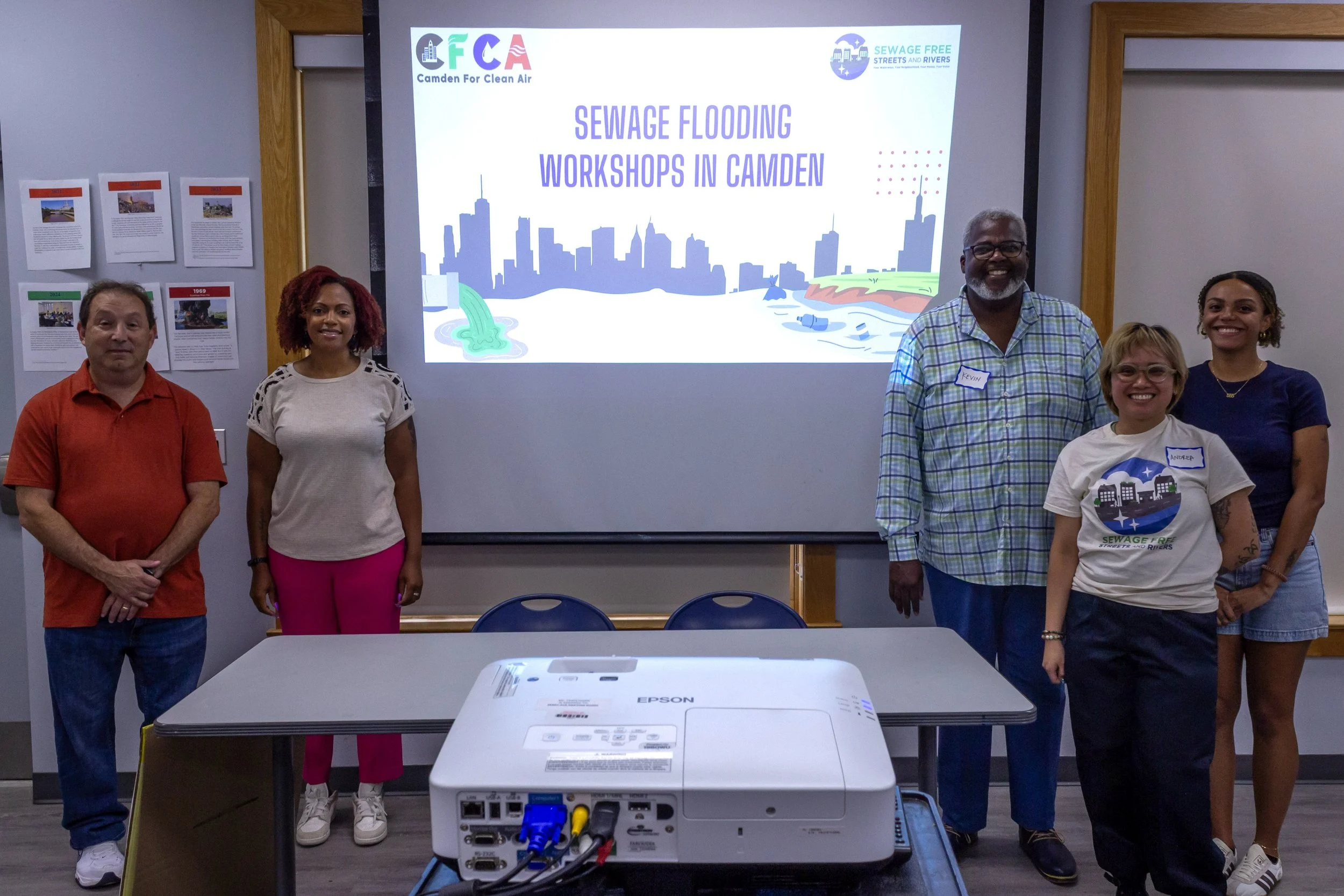
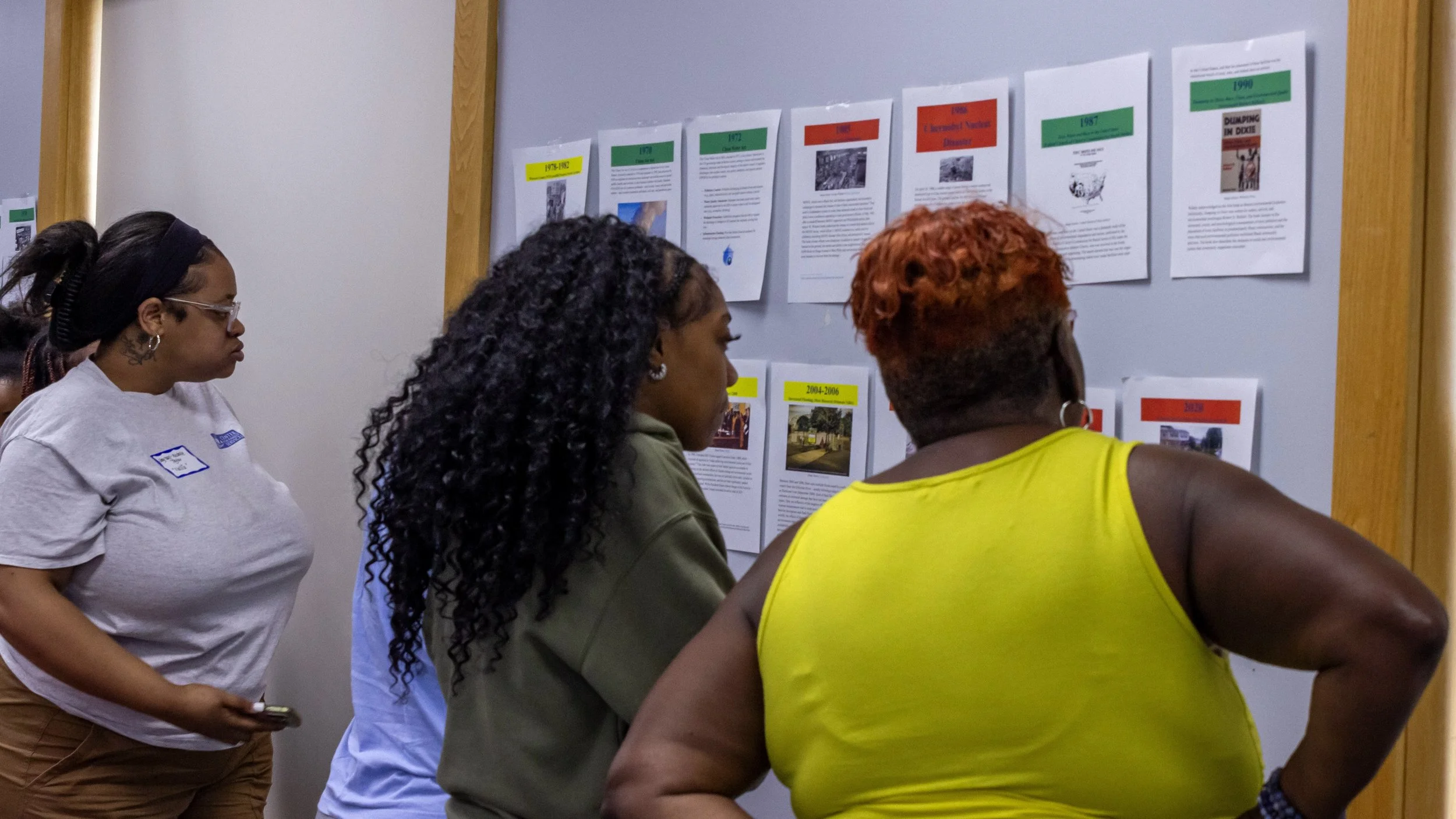
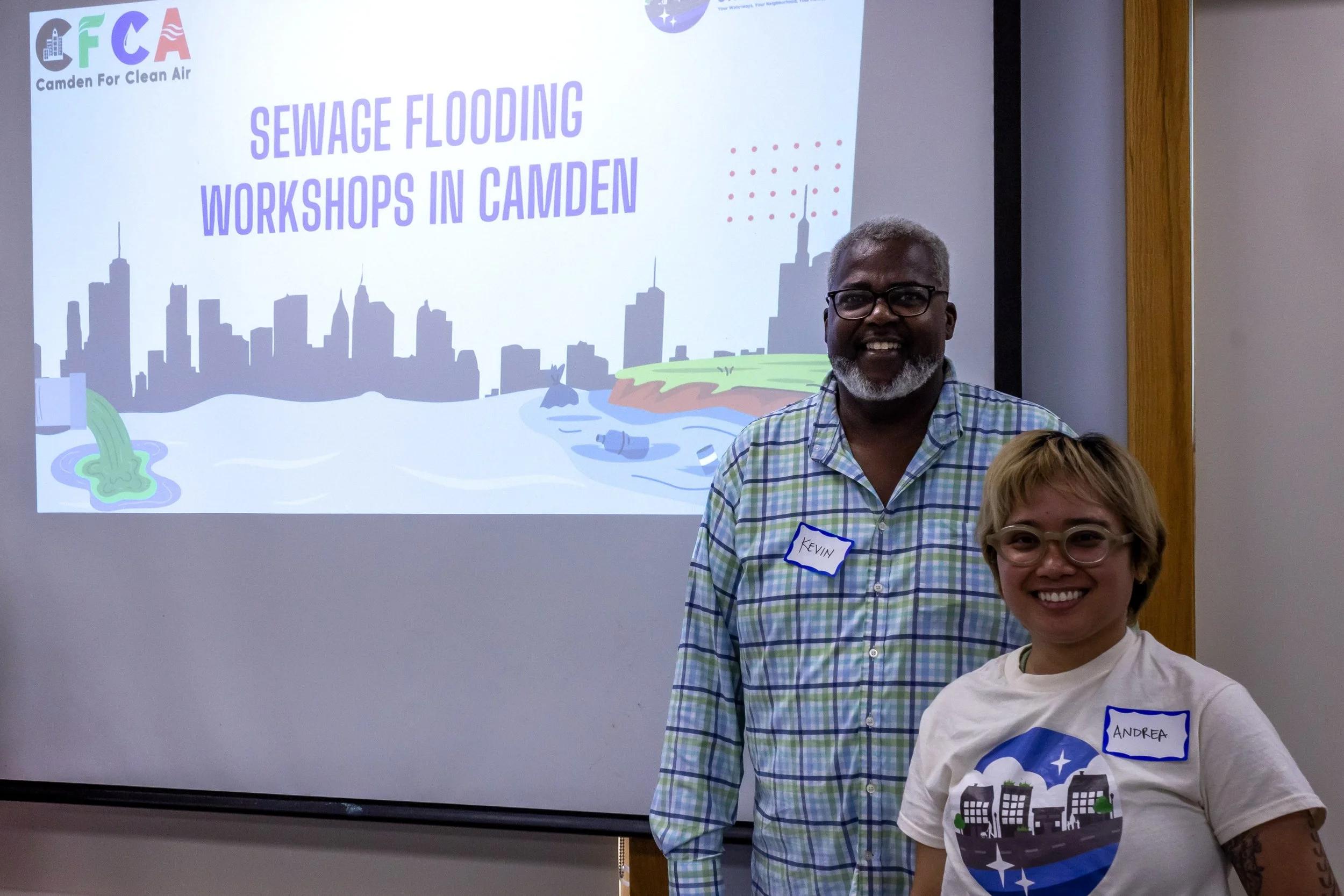
CFCA worked in close partnership with NJ Future on their Sewer Free Streets and River Campaign, bringing critical education to the community on the history of Camden’s water infrastructure, impacts of combined sewer overflow systems, and advocacy pathways to address CSO and flooding across Camden.
-
Workshop 1
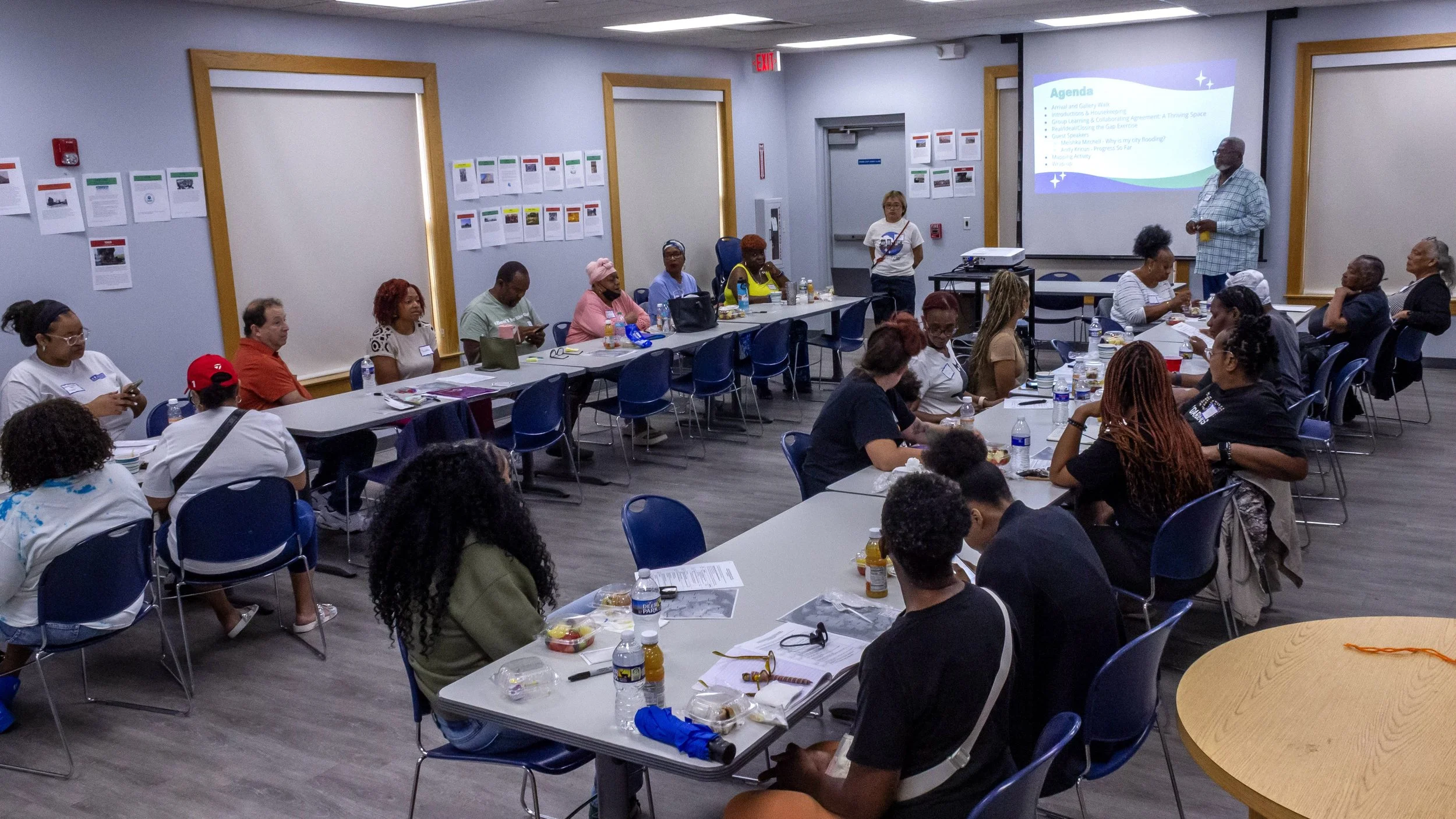
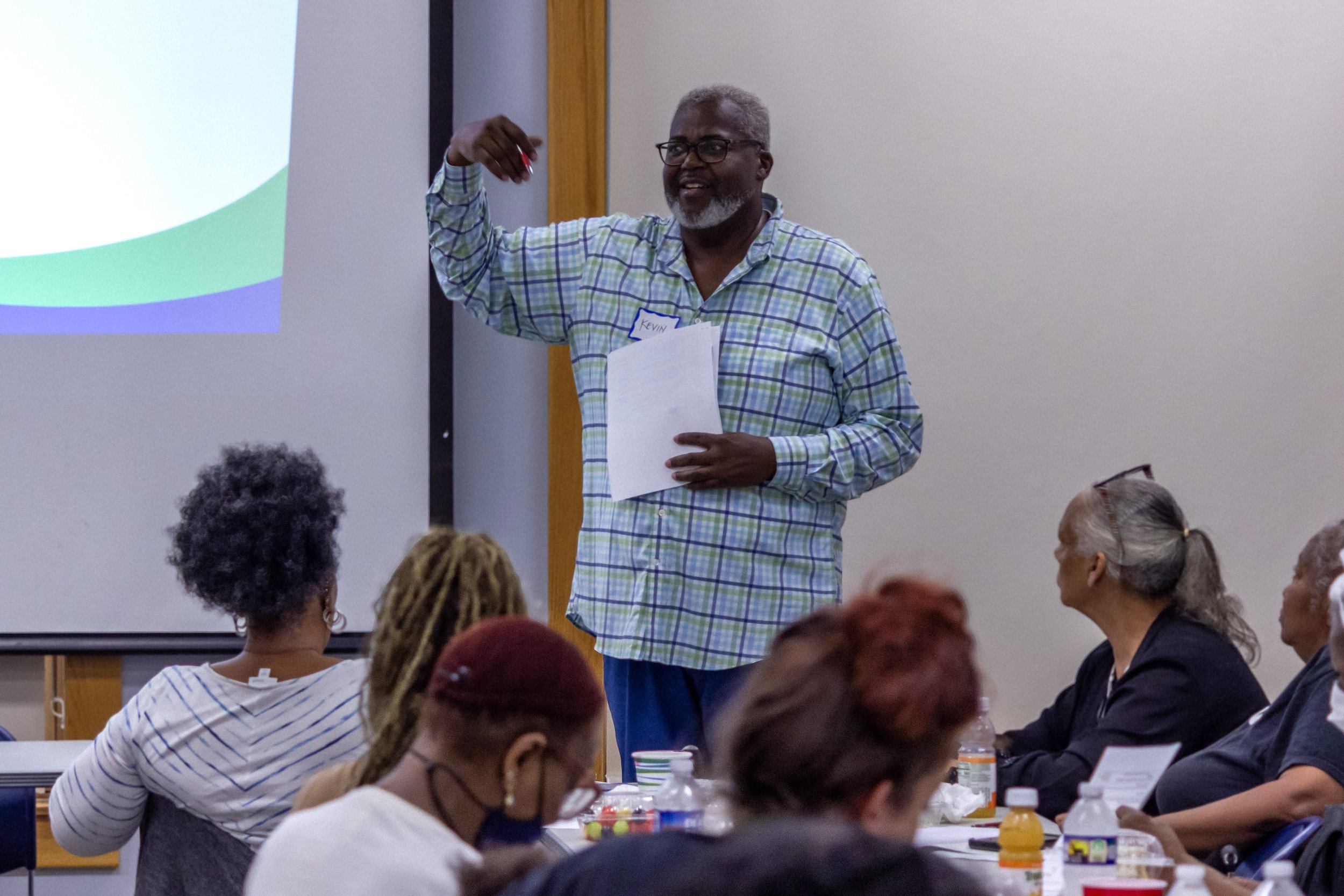
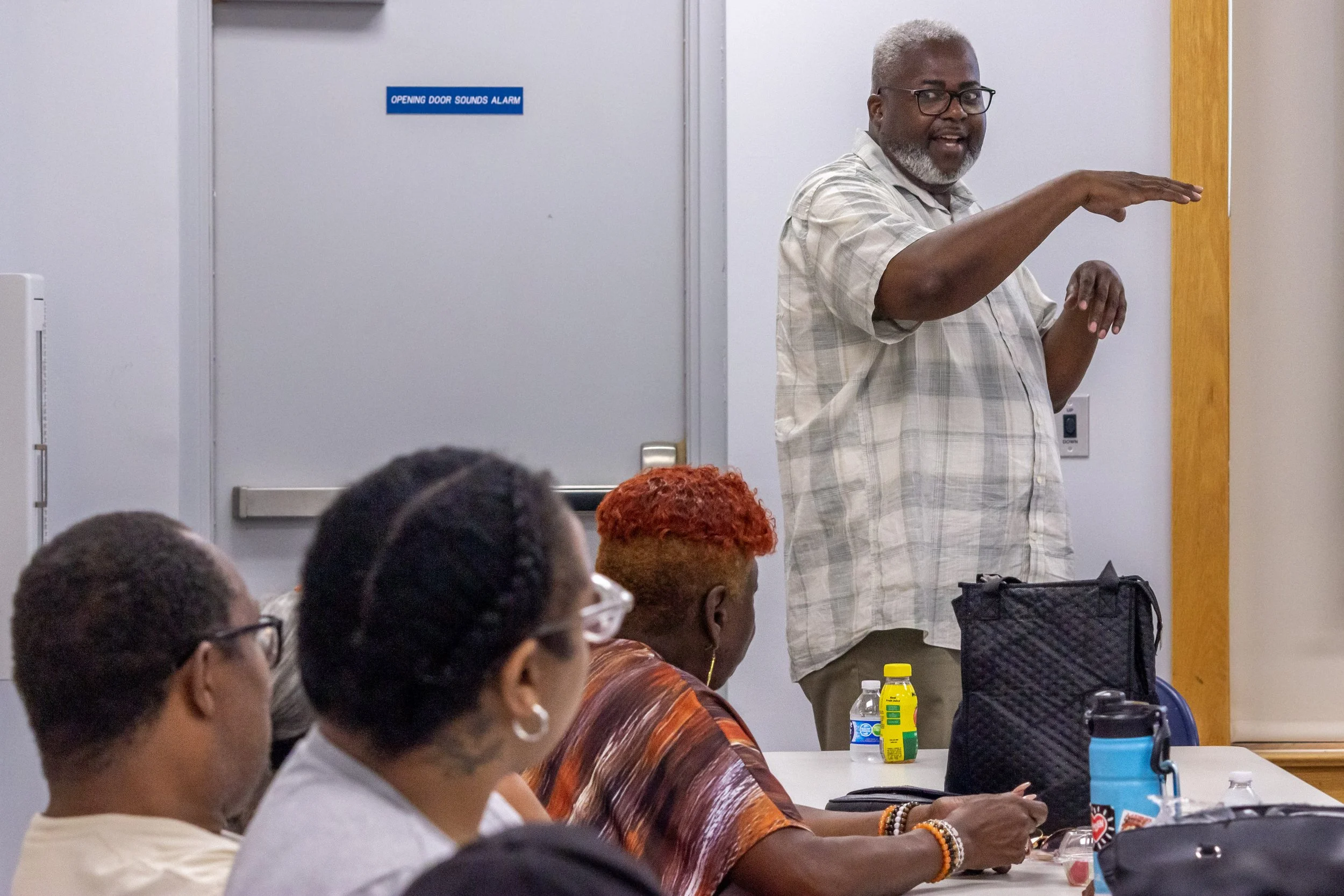
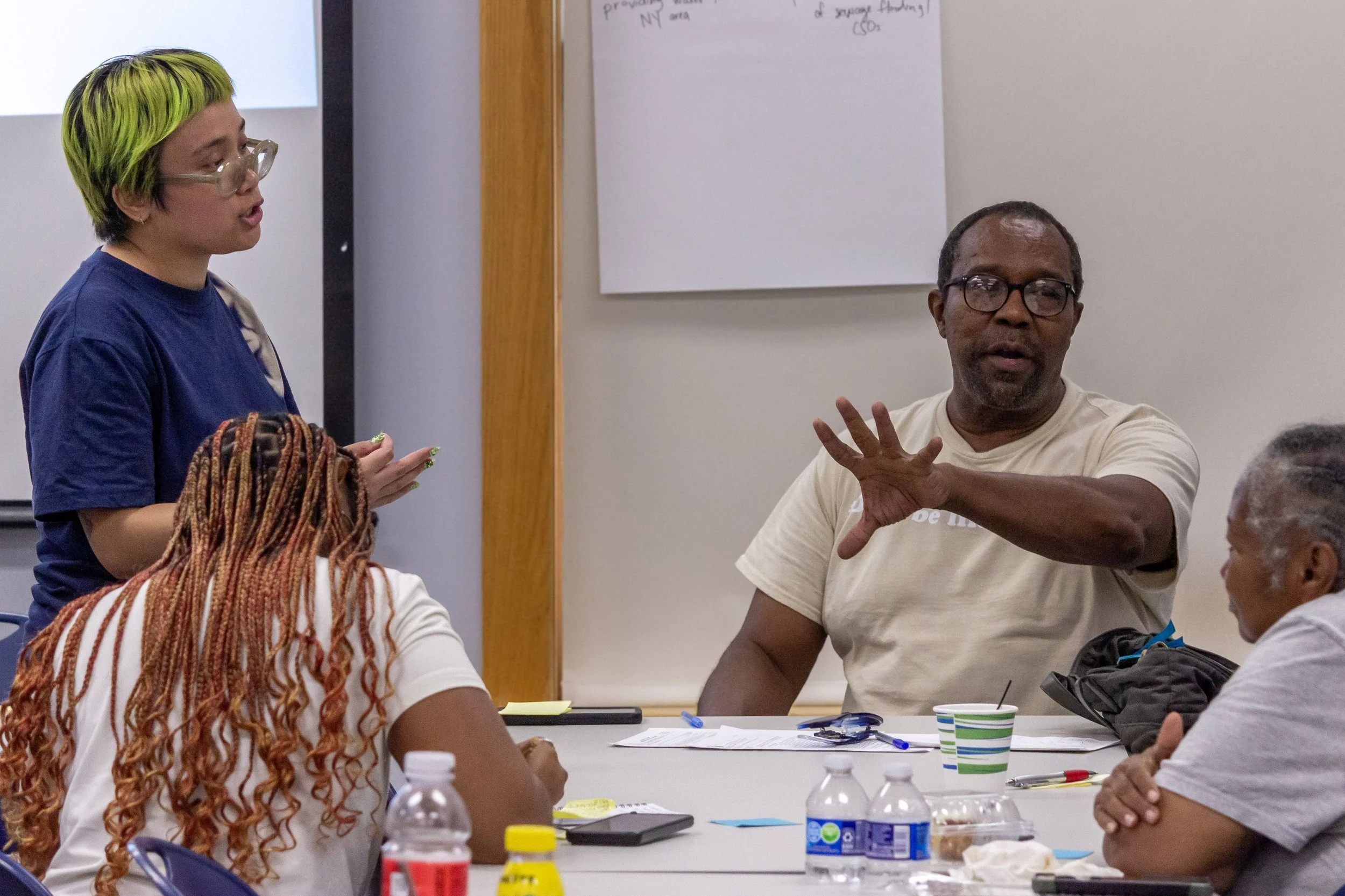
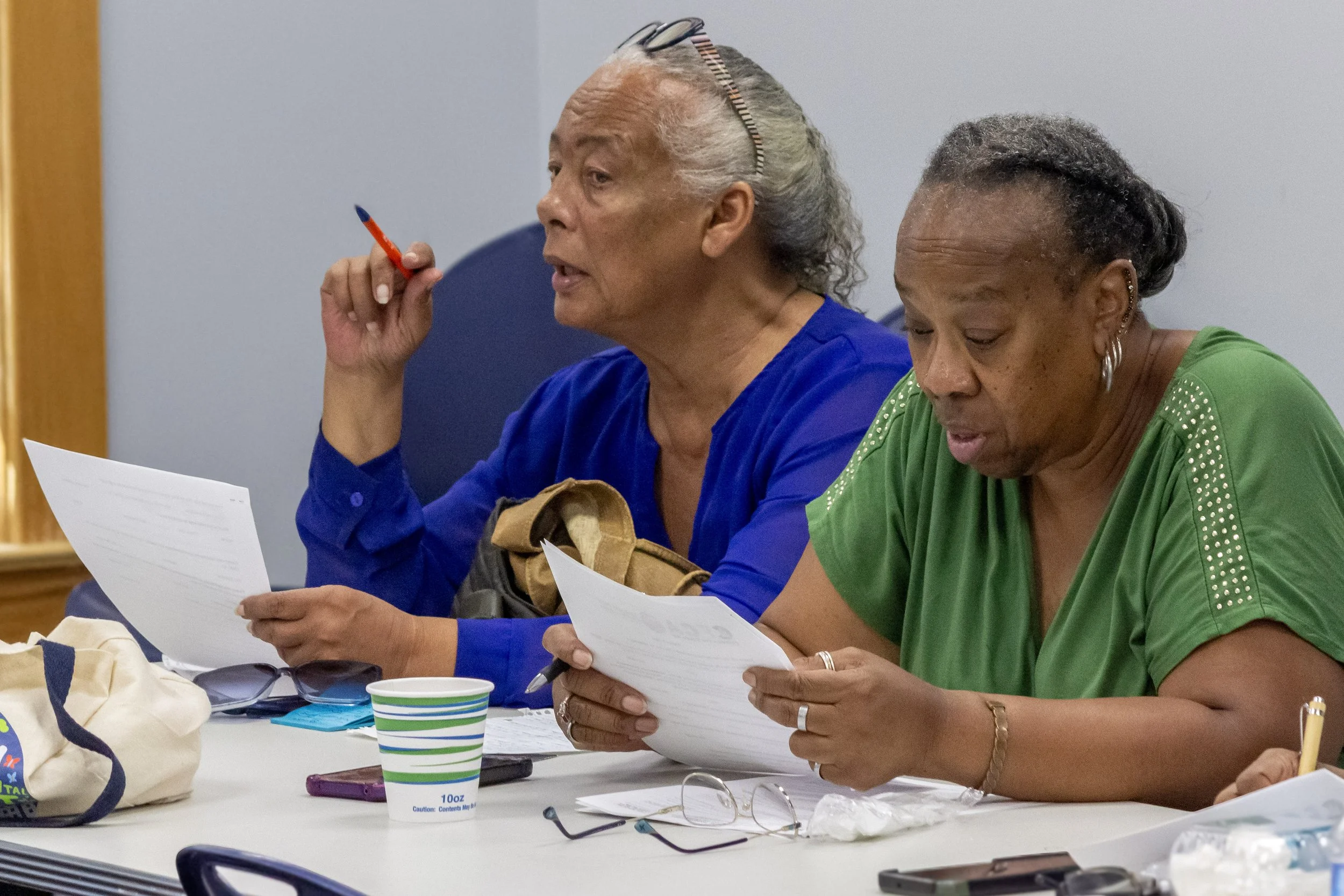
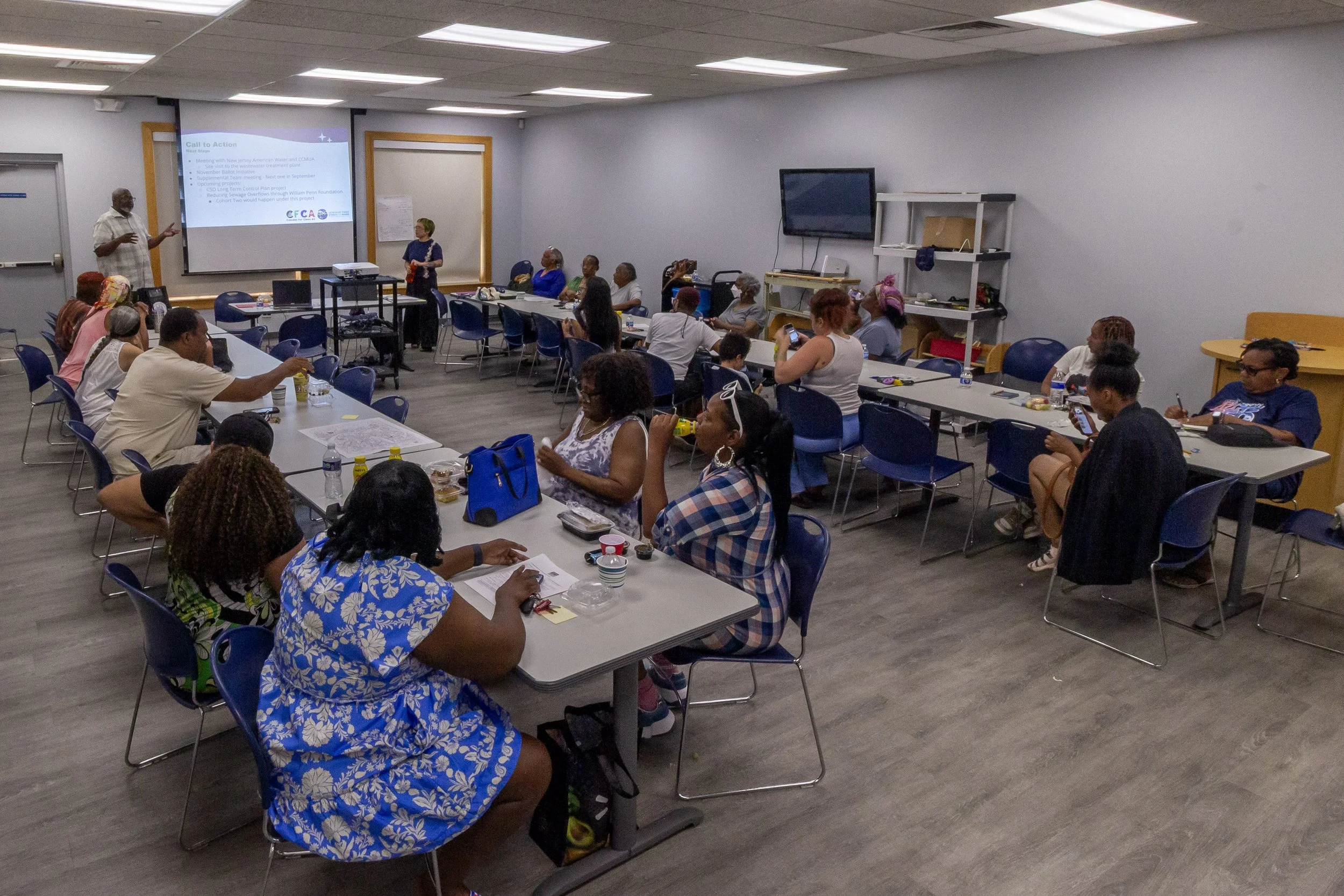
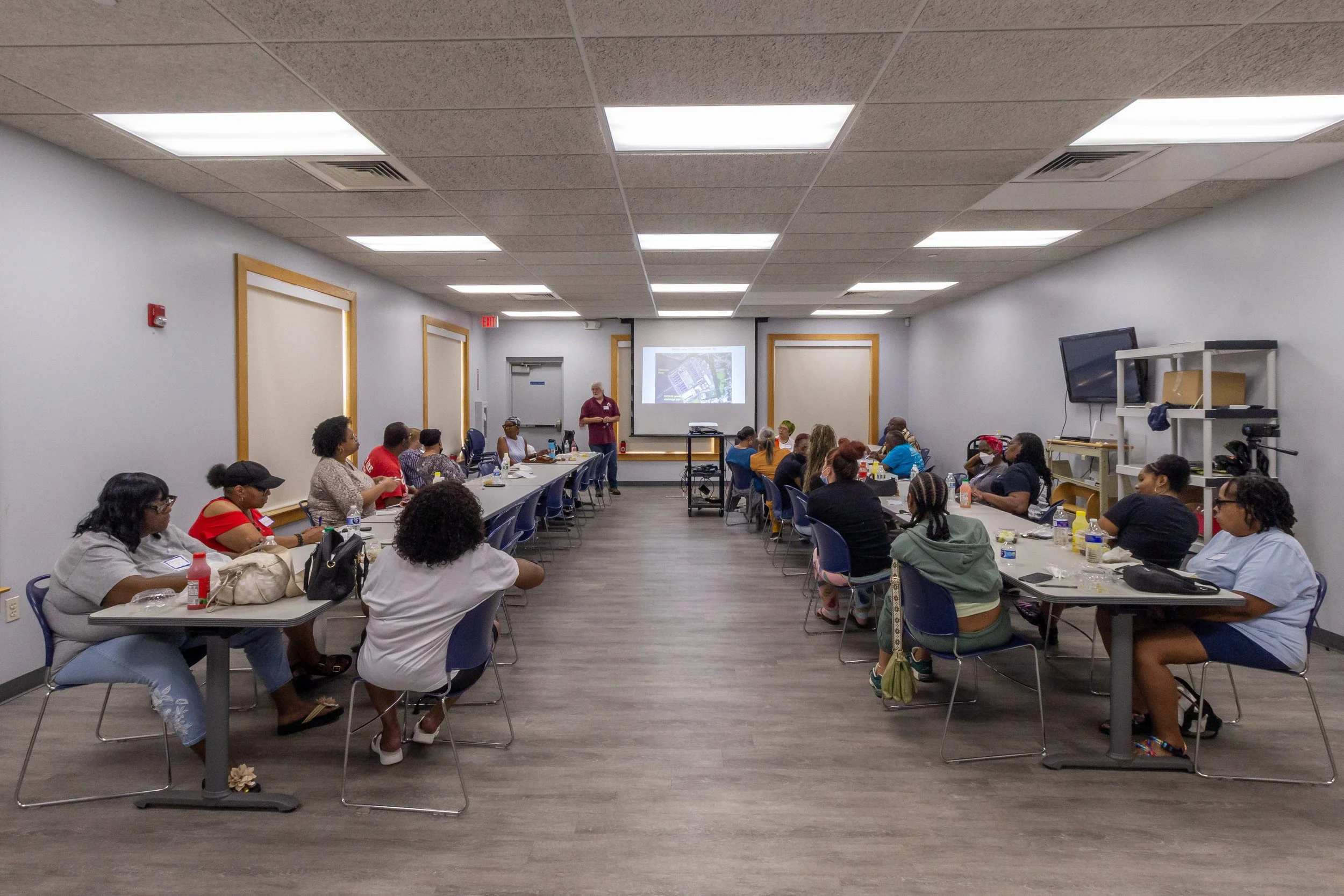
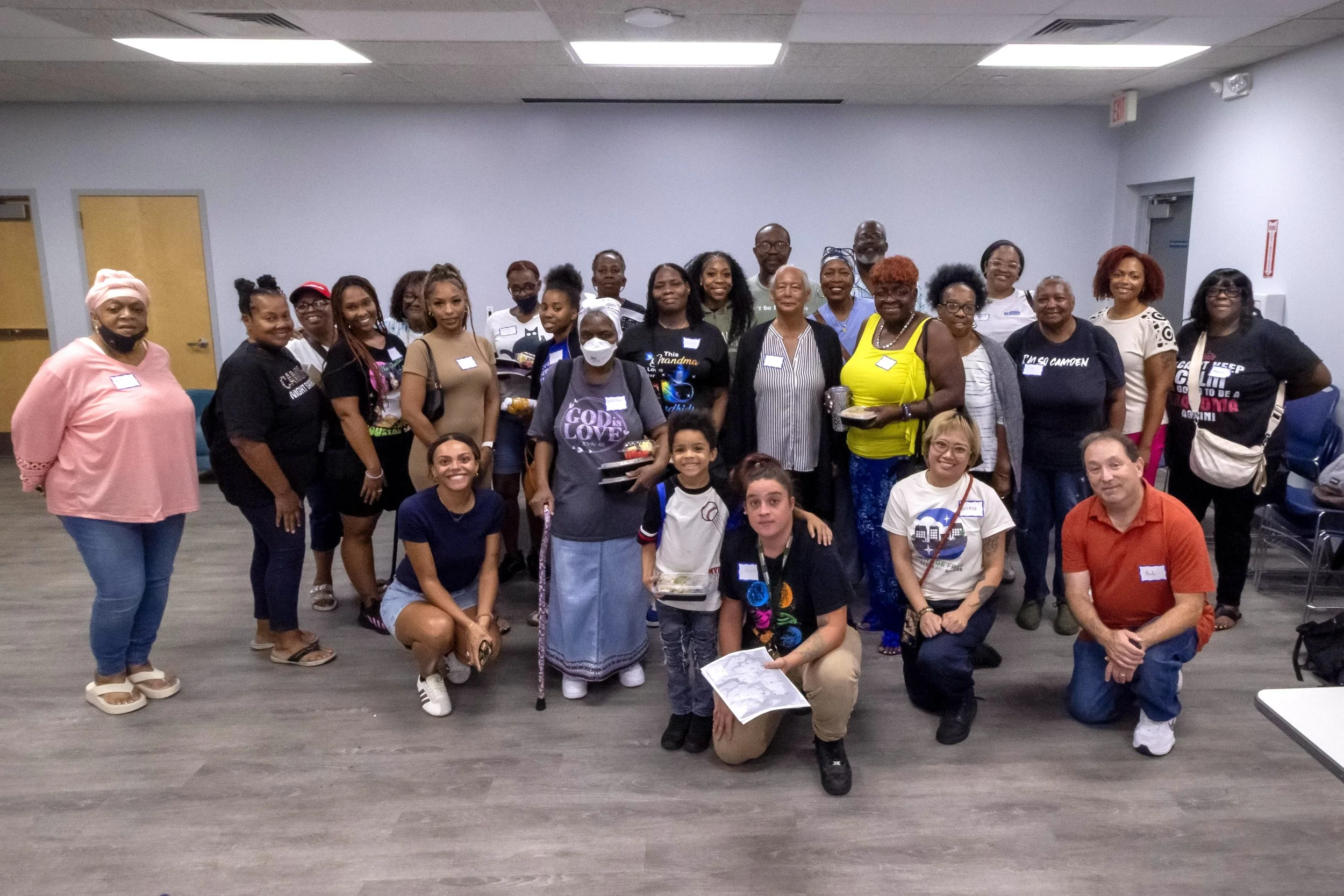
Residents came together for the first workshop to learn about sewage flooding in their neighborhoods and the history about combined sewer overflow. Participants had the opportunity to learn from Meishka Mitchell, CEO of Emerald Cities, and Andy Kricun, NJDEP EJAC Chair and former Executive Director and Chief Engineer with the Camden County Municipal Utility Authority.
-
Workshop 2
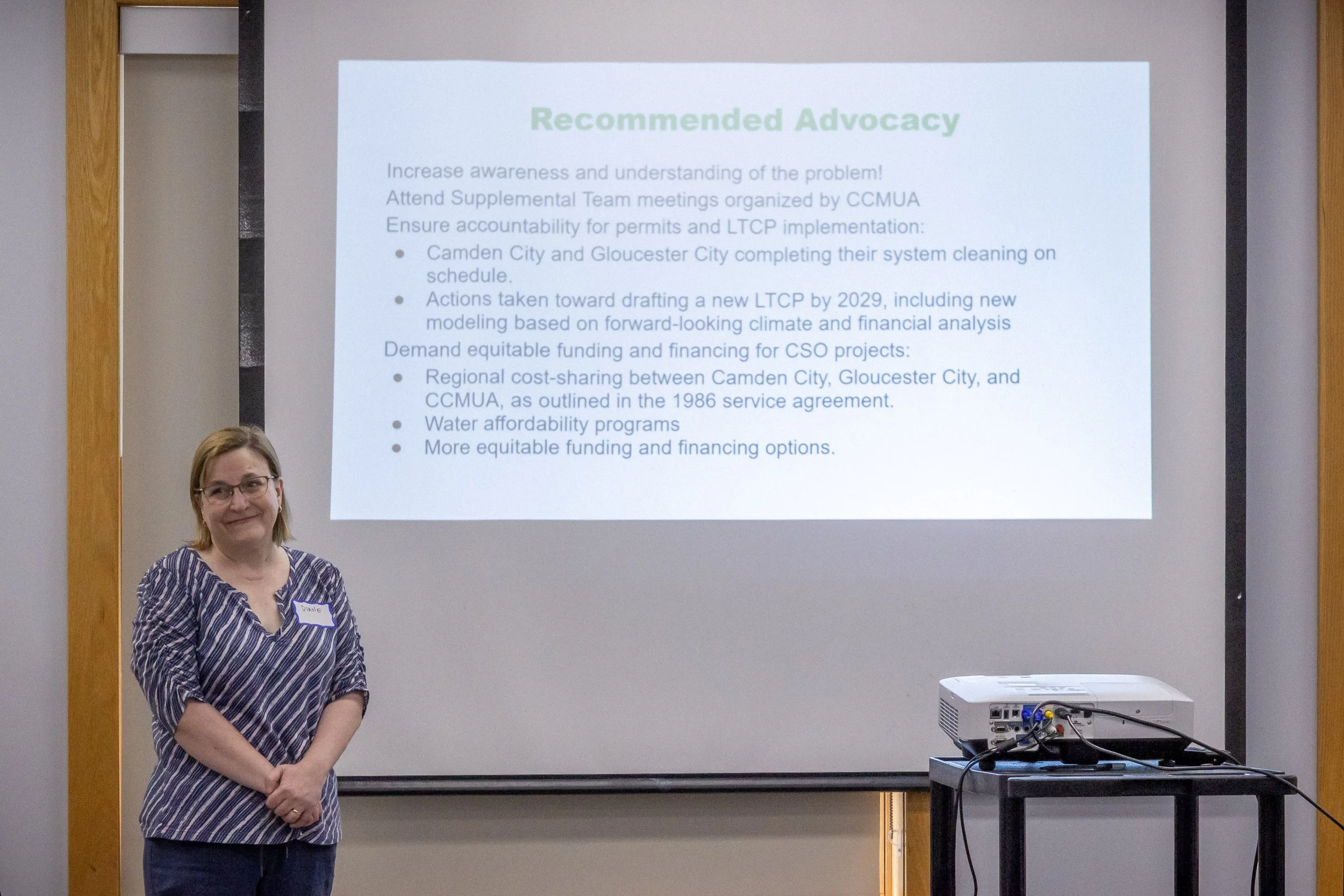
Building off the history and knowledge shared in the first workshop, residents dove a bit deeper into understanding the formative process behind water policies and explored pathways for community driven solutions in addressing CSO with Diane Schrauth, NJ Future’s Policy Director, and Fred Stine, Delaware Riverkeeper Network’s Community Action Coordinator.
-
Workshop 3
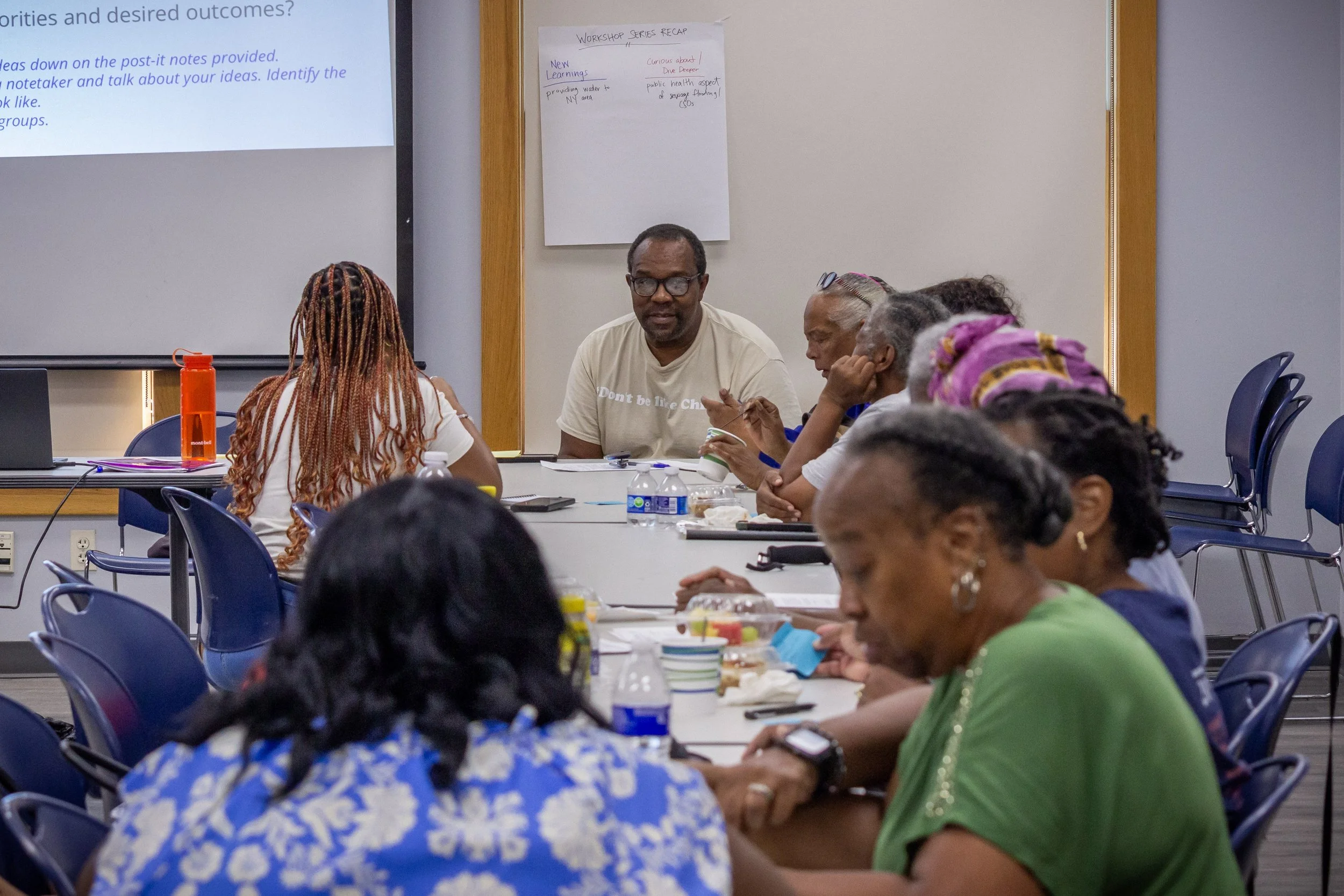
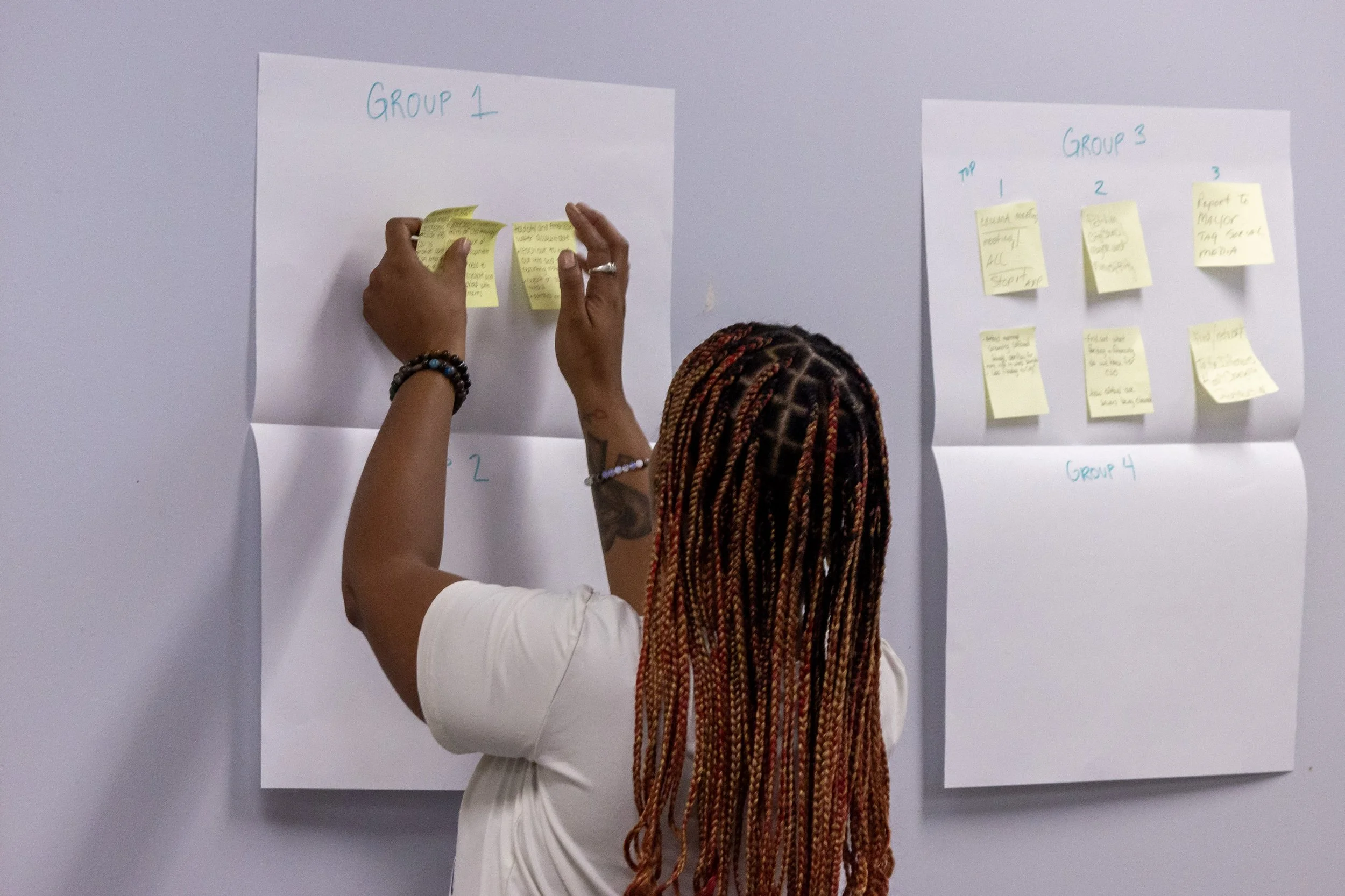
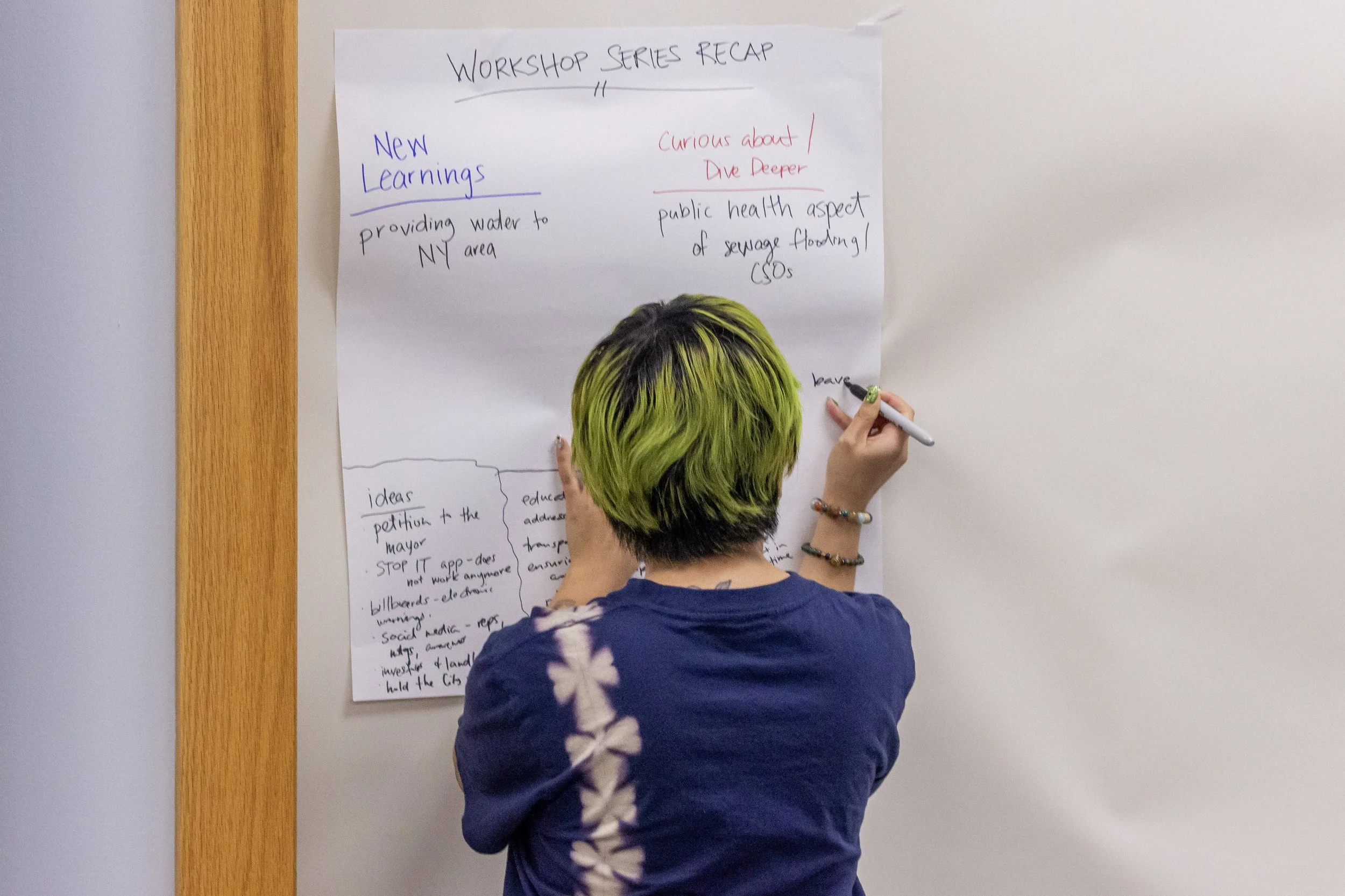
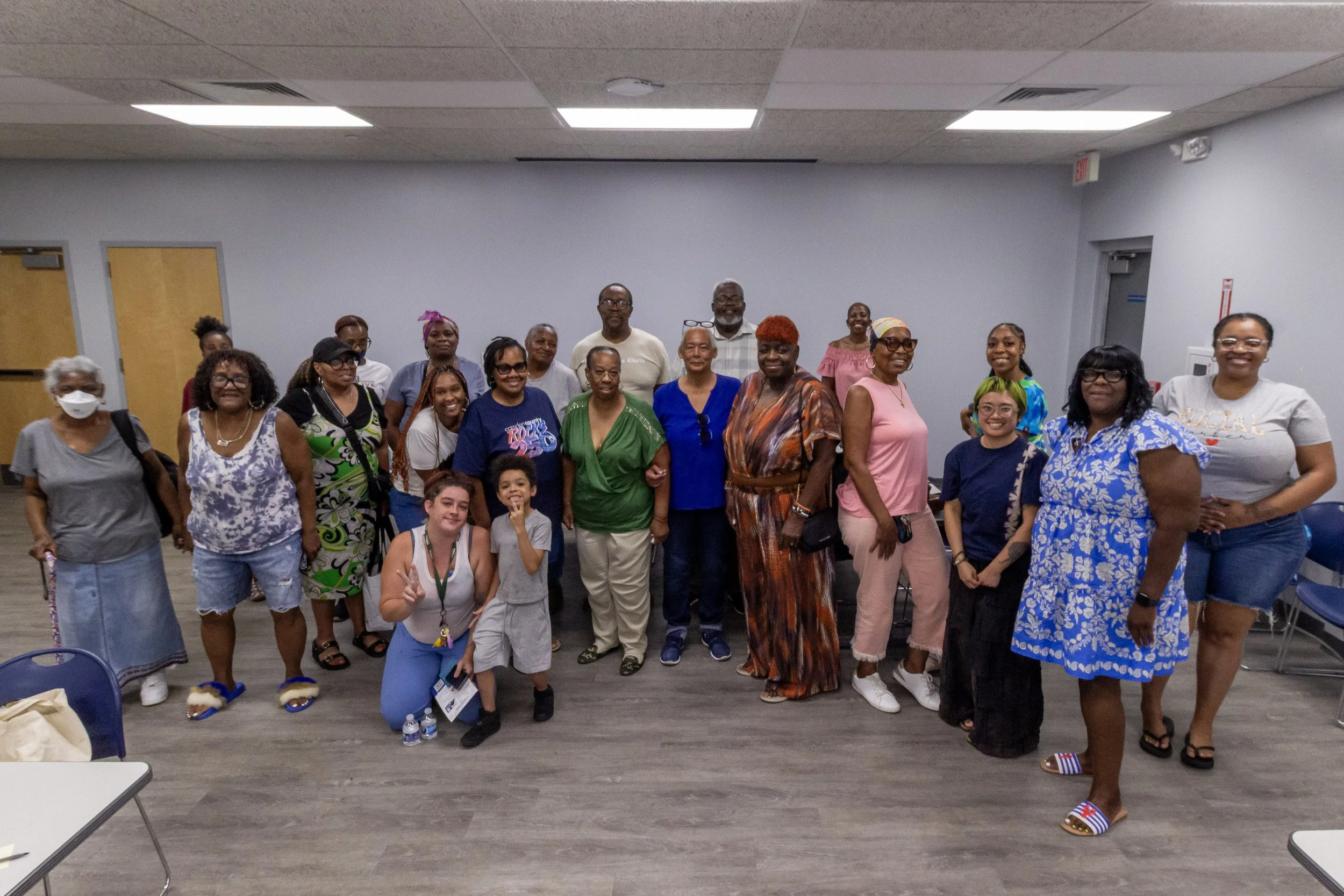
The final workshop of the series, residents reflected on the information they learned about Camden’s legacy CSO infrastructure, the ways in which they hope to bring this information back into their neighborhoods, and discussed next steps for continuing to advocate for flooding mitigation policies.
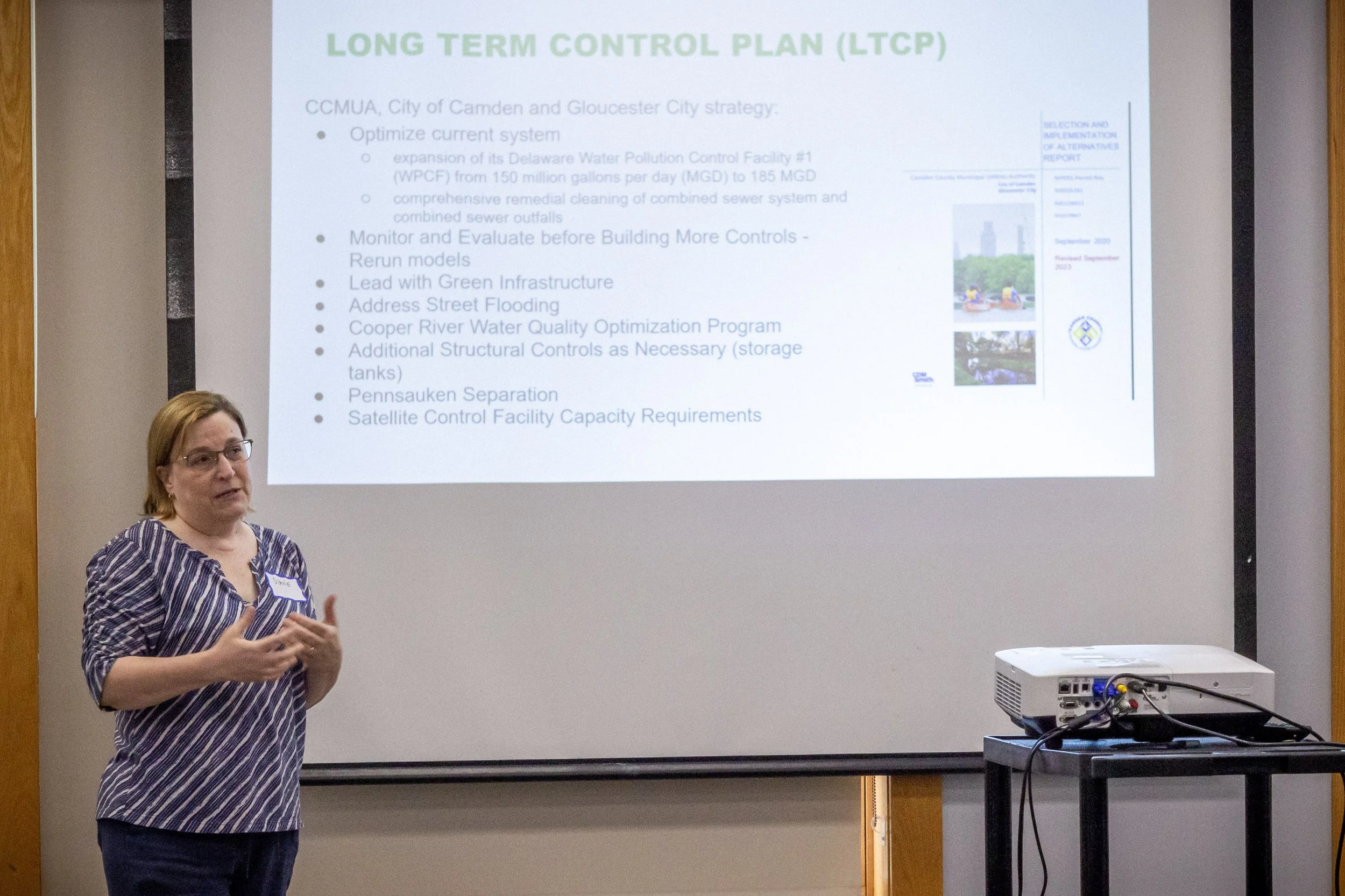
Camden County Municipal Utility Authority (CCMUA) is currently focusing redevelopment efforts on the entire East/North corner of Camden City (closest to Pennsauken), also known as East Camden/Cramer Hill, and designated as C-32
There is a 5 year permit schedule well underway for 2025-2029: CCMUA states they are in the projected range for 2026, with new flow monitoring systems implemented, designing, and permitting for C-32
Permitting aims to address sewage leaks into back channels leading to the Delaware and Cooper River, as well as to neighboring city streets, through increased monitoring, modeling, and simulations
Drexel University will be interpreting findings from monitoring systems and environmental influences to compose anticipated flooding projects, such as discussing scenarios that could potentially happen with/without interventions
Camden County Municipal Utility Authority is working on repairing significantly aged outfall locations where rainwater is discharged into larger bodies of water. Many of the City’s outfalls were created before the 70s and are nearing 100+ years old
Revision of the 2025 Camden County Resilience Plan (CCRP) by organizations and advocates like Camden for Clean Air and Center for Environmental Transformation took place in September 2026, highlighting opportunities to further combat flooding, sewerage, and CSO issues by implementing sewerage separation and developing more green infrastructure
What’s Next in the Fight for Keeping our Neighborhoods Healthy and Streets Dry and Clean
High Street water main has been relocated
Flood mitigation efforts are mostly done in the East Camden area and are projected to be finished by January 2027
Continuum of monitoring services and technical approach for storm water removal are underway
Drexel University is continuing projections, including the investigation and assessment of sea level rise, increased precipitation, and coastal flooding
Camden County Municipal Utility Authority is continuing to allocate funding to storm water infrastructure for greater storm water management
Camden City residents are looking to work more closely with CCMUA and Public works to better address resident concerns, including basement flooding, car flooding, and overall property damage assessments